The Price of Silk
Walking into our local yarn stores there is a space that transports us to a world of tantalising temptation, an adult version of a brightly coloured sweetshop; the silk-mohair section.
With muted tones and colours that are as bright as jewels, the silk-mohair yarns add a way of personally customising our knits by holding it double with a more mainstream colour.
It also adds a lot of seemingly great benefits; sheen and drape, extra warmth and stability, and many would say that it gives durability to their projects.
How Is Silk Produced?
Silk production (or sericulture) has been around for thousands of years with the resulting fabric seen as one of the most precious and costly in the world. The history is deep, and the production of it has stayed consistent throughout the millennia.
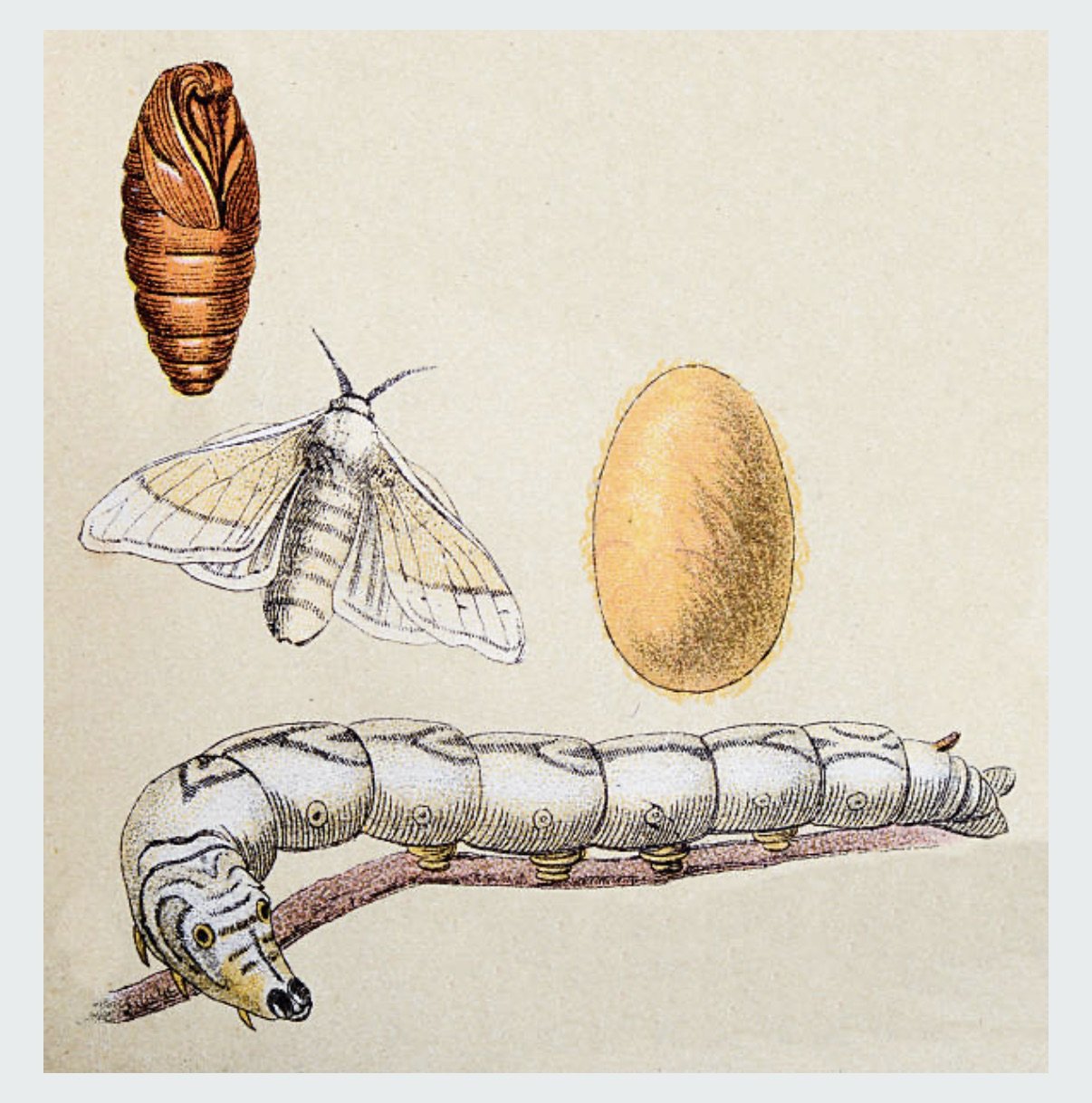
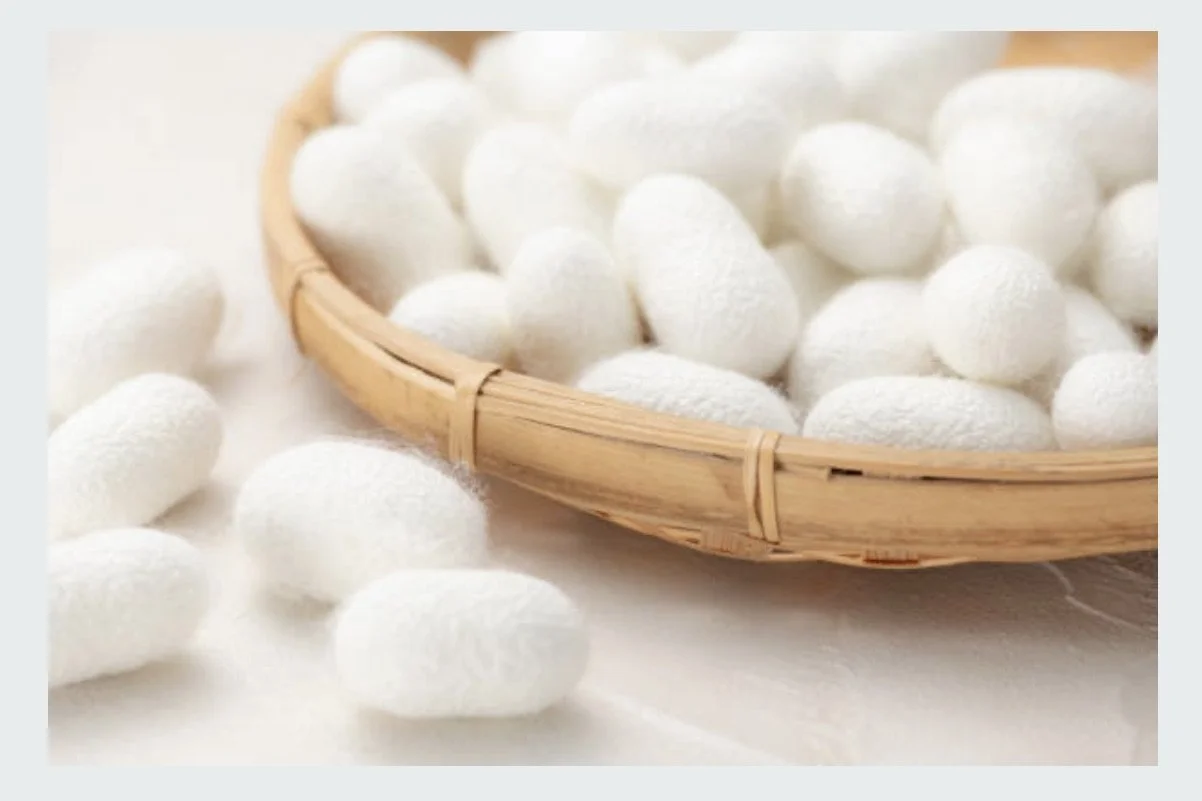
The silk from the Bombyx Mori silk worm is the most sought after as the silk it spins can be over 1,000 feet in one continuous thread. Bombyx Mori larvae reach a state of maturity at six weeks old, and once they have enjoyed eating Mulberry leaves for the entire time of their little existence, they set about to create a silk cocoon around themselves so they can change into moths. Once the silk worm has created their cocoon, farmers come along to harvest them, proceeding to boil the cocoons and the worms; killing the worms and keeping the surrounding silk intact so that they can then spin it for cloth. Harvesting the cocoons before the newly formed moths can munch their way out and fly into their full maturity means that the silk isn’t cut, allowing for longer, continuous, silk protein fibres of the cocoon to be spun with less ‘slub’.
The Bombyx Mori has been cultivated for so long and for such a specific reason that they are no longer able to survive without human intervention, meaning the farmers allow the life cycle to survive just enough for the production of silk, before the moths die, and this leads us on to the tricky conversation around the new PEACE silk.
‘PEACE’ silk?
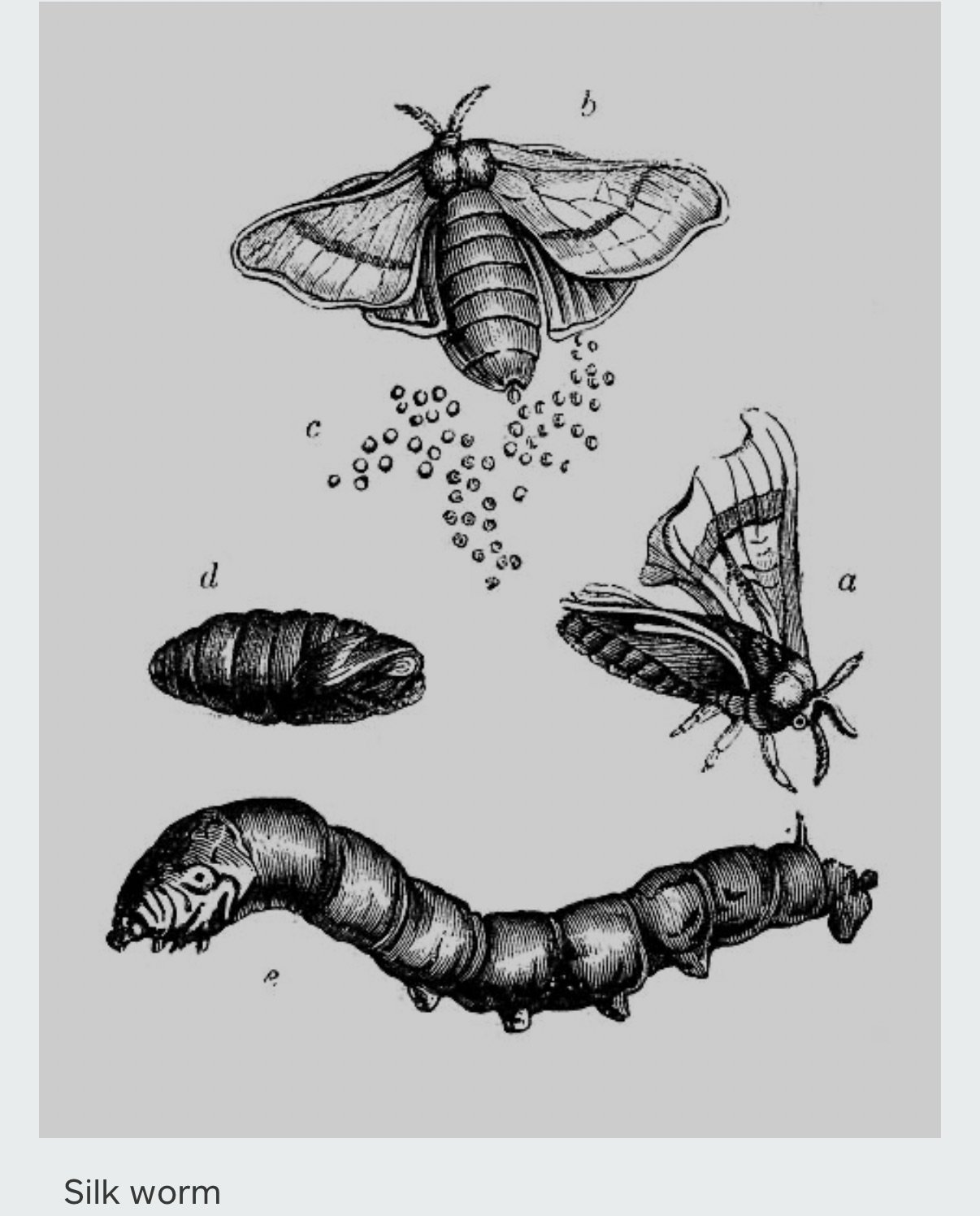
The newer form of PEACE silk is created when the moths (bombyx mori and a hand full of other species) are allowed to chew their way out and leave their cocoons, resulting in a much slubbier silk fibre, which has a yield six times lower than that of the traditional way of sericulture (hence the much higher price point).
There is a growing concern about the green-washing of the PEACE silk. The silk moths, no matter what species, have been bred so that they are unable to fly, drink or eat once they have come out of their cocoon. In effect, they are living creatures that have been ‘manufactured’ not to survive. These worms and moths have central nervous systems, which means they can feel what is happening to them, and we have to address whether we are comfortable to knit with their silk after their fate has been sealed in these barbaric ways.
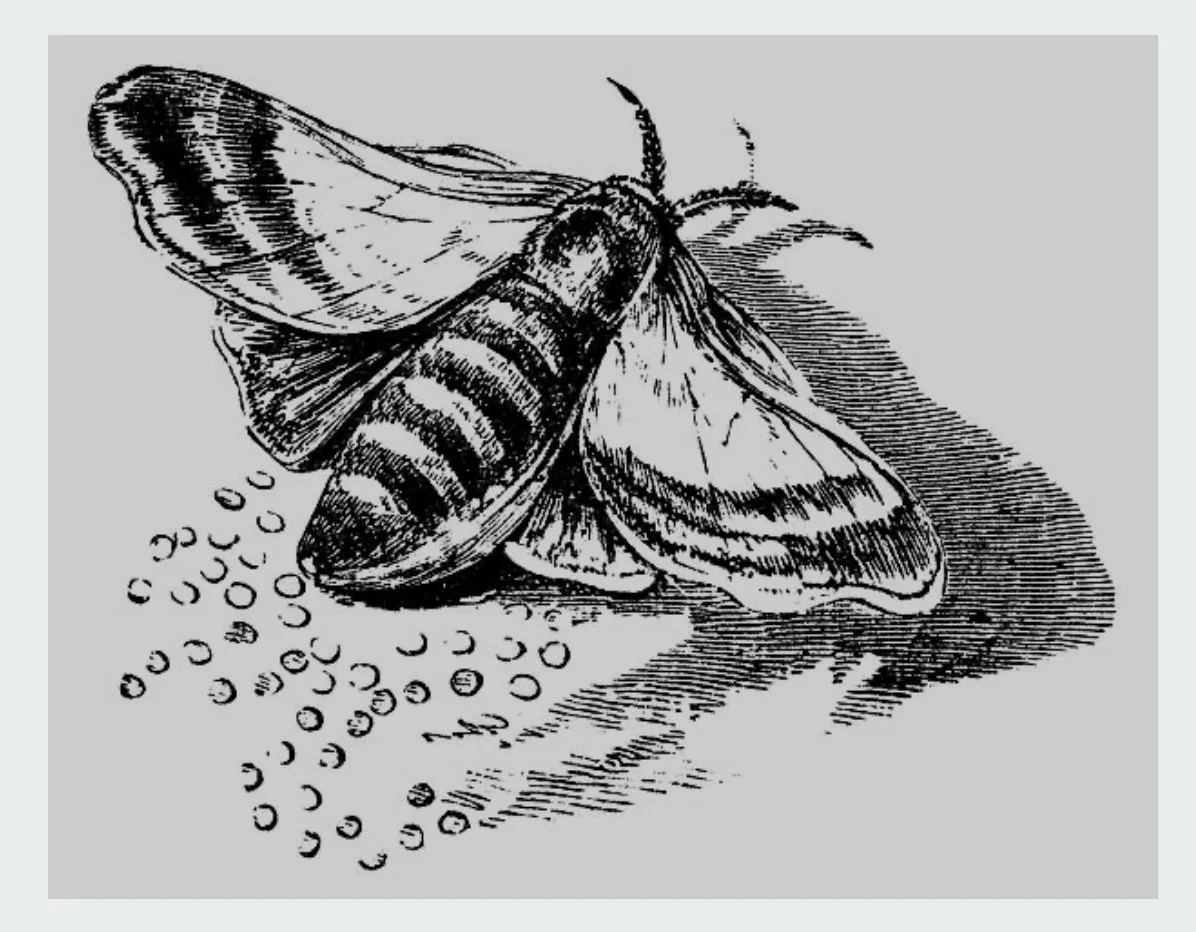
When I see PEACE silk being touted around as if it is the answer to all the questions, it fills me with dismay, as a simple certificate saying that silk has not been produced by boiling silk worms doesn’t answer fundamental, as well as wide ranging, questions about the welfare of these quite amazing little worms after they have become moths.
Why Does Silk Production Matter In Knitting?
Silk production in all forms, whether that is for cloth or yarn, matters because it affects our planet, and here at Nellie and Eve we have never shied away from championing our passion for all forms of ethical animal husbandry, and that includes looking out for the silk worms. I am so happy that many knitters and makers that I speak to now understand why British wool is some of the best in the world, and why we should celebrate it for all that it is. British shepherds and yarn producers are doing an incredible job at letting the public know why the wool symbol on their clothes signifies a premium, ethically produced resource, and that label alone is commanding increased prices over synthetic alternatives in charity shops again, let alone in the major fashion chains. This is all great news.
So with this in mind, I don’t think it is right for us to talk about sustainable fashion here in the UK, or around the world, without facing this tricky subject of silk production head on. If we are asking for our clothes to be made out of traceable organic cotton, dyed in ways that don’t pollute local water systems in countries that have less environmental protection than we do, we cannot simply pick up a ball of silk-mohair and close our minds because we like its softness.
Knitwear designers and influencers are going crazy about silk-mohair this season; it seems to be everywhere and I am getting worried.
I am worried that people are not aware about the marketing around ethical silk when they see that the yarn is created with the ‘leftovers’ of silk production; this is still silk created by boiling the cocoons. I am also deeply worried about the possibility of green-washing in our industry when silk is harvested by allowing the maturity of the moth, but not being crystal clear about what happens to them afterwards. This concern also flows into labour practices for those who farm and weave the silk, and the sheer airmiles that it is all producing.
Honestly, if we are celebrating British wool that is locally sourced, and this is where I stand in the world of wool production, then mixing it with silk that has been flown from China or Thailand, then we have to look at our hypocrisy, discuss it, and seek for change.
Ask For Change
The only way we can see change in the industry is to raise our voices for sustainable, ethical, yarn. Everytime we see another designer on Instagram release a pattern made from silk-mohair, message them to ask if they are aware of the cost of silk production and if they are offering an alternative yarn in their pattern suggestions.
Call it out! Sponsorship is such an incredibly powerful way for marketing people in the yarn industry to increase sales that they will freely give away silk-mohair to designers, bloggers, instagrammers and other industry influencers without a second thought; it’s part of their marketing structure.
To become more centered within ourselves, and with our relationship with the world around us, we need to ask for change. In doing so we will help our local yarn stores by purchasing wool that is made in the UK. The result is that the farmers, breeders, and mill owners that produce high quality yarns are supported, and the designers that support the need for keeping wonderful, creative hobbies grounded in a sustainable future.
What’s The Alternative?
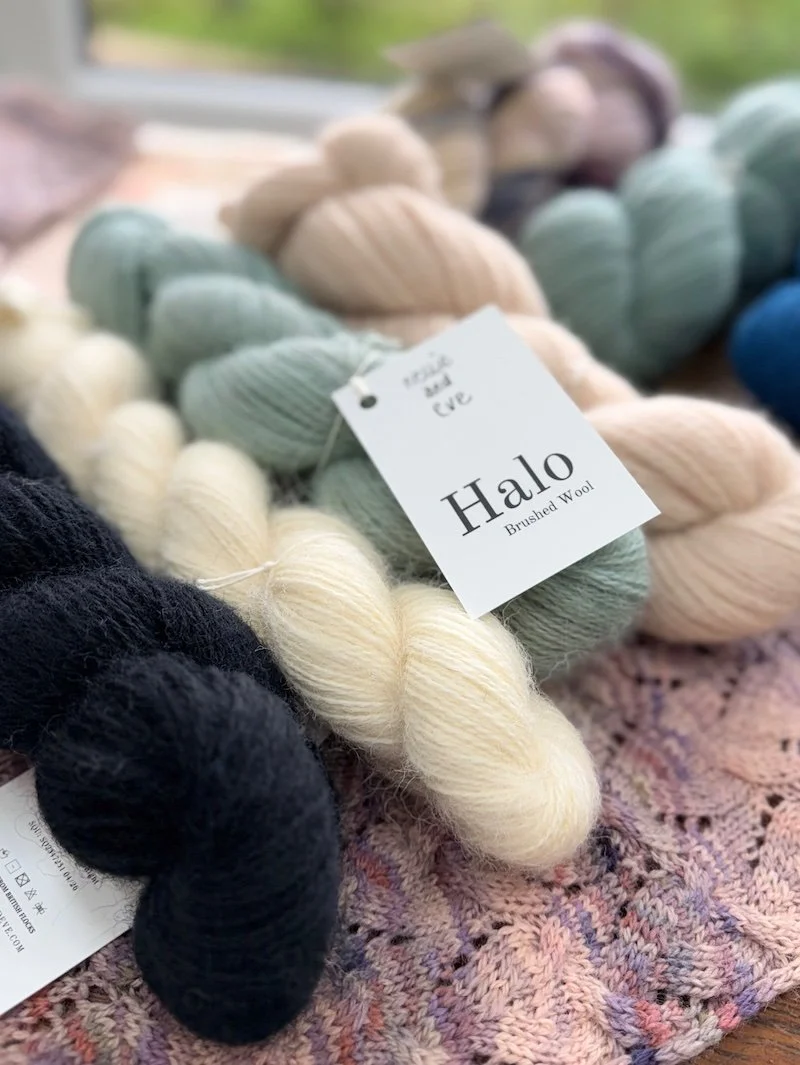
We don’t have to give up our floof! I love a soft knit that has a halo as much as the next knitter, and I am delighted to say that there are wonderful alternatives out there. Lace weight alpaca is the easiest swap for silk-mohair, and honestly I think it not only gives the same sheen and lustre, but allows our projects to be as durable.
We don’t have to close our eyes to the thorny subject of silk production in the fear that if we do, we will lose a property to our knitwear that we love, which is that softness. Neither do we have to sacrifice the fact that many of us like to customize the colour that blending yarns gives us.
The Mindful ‘Fluff’ Alternative
I’ve been searching for a true wool-based alternative to silk–mohair for quite some time, and I’m delighted to say I’ve finally found something that works beautifully.
Please welcome ‘Halo’ a 100% British 4ply brushed wool yarn.
It offers all the softness and airy halo you’d expect, with the added reassurance of a sustainable, traceable, and ethically sourced fibre, something I’m proud to stand behind.
Launching at the end of May 2026, Halo will be available in both undyed and naturally dyed colourways. It will debut at Wonderwool Wales and The Big Flock Yarn Festival.